
Table of Contents
ToggleIn a world where chaos often reigns supreme, the United Nations steps in like a superhero with a briefcase instead of a cape. UN intervention protocols are the unsung heroes of international diplomacy, designed to tackle conflicts and humanitarian crises with finesse. These guidelines aren’t just a set of rules; they’re the blueprints for restoring peace and stability when things get a bit too wild.
Think of it as the UN’s playbook for when countries decide to throw a tantrum. From peacekeeping missions to diplomatic negotiations, these protocols ensure that interventions are handled with care, precision, and a dash of good humor. After all, when nations clash, it’s not just about putting out fires; it’s about making sure everyone leaves the party with a smile. Let’s dive into the fascinating world of UN intervention protocols and discover how they keep the peace—one diplomatic chat at a time.
Overview of UN Intervention Protocols
UN intervention protocols outline structured approaches for responding to conflicts and humanitarian crises. These protocols aim to balance the necessity of prompt action with diplomatic considerations. Various principles govern interventions, ensuring they are effective and legally justified.
The Responsibility to Protect (R2P) doctrine plays a pivotal role in these protocols. This principle asserts that the international community must act when a state fails to protect its population from genocide, war crimes, ethnic cleansing, and crimes against humanity. In such cases, humanitarian intervention becomes a moral imperative.
Different phases exist within the intervention process. Assessments of the situation often precede any action, providing a comprehensive understanding of on-the-ground conditions. Engaging local stakeholders ensures that interventions are culturally appropriate and sustainable.
Through the United Nations Security Council, interventions often receive authorization. This step adds legitimacy to actions taken and aligns responses with international law. Military interventions, when necessary, adhere to strict guidelines to minimize civilian casualties.
Monitoring mechanisms accompany interventions. They track the progress and impact of actions taken, emphasizing accountability. Regular assessments can lead to adjustments in strategy, ensuring interventions remain relevant and effective.
Collaboration with regional organizations also enhances effectiveness. The African Union or the European Union often partners with the UN to address local needs and enhance operational capacity. Joint efforts can improve response times and adapt strategies to specific geopolitical contexts.
Ultimately, UN intervention protocols serve as a vital tool in promoting peace and stability worldwide. Their implementation fosters international cooperation and underscores the commitment to human rights and humanitarian principles.
Historical Context of UN Interventions
Understanding the historical context of UN interventions offers insight into the development and refinement of its protocols over time.
Key Milestones
Significant milestones in UN interventions shaped its protocols. The establishment of peacekeeping in 1948 marked the beginning of proactive international involvement. The first major deployment occurred during the Korean War in the early 1950s, demonstrating the UN’s commitment to global peace. The adoption of the R2P doctrine in 2005 reflected a pivotal moment, emphasizing the responsibility to act when states fail to protect their citizens. Notably, the intervention in Libya in 2011 showcased a modern application of these principles, illustrating both the challenges and the consequences of such actions. Each milestone contributed to understanding the complexities of intervention and the need for a balanced approach.
Lessons Learned
Lessons learned from past interventions inform current practices and strategies. The 1994 Rwandan genocide highlighted shortcomings in timely action, underscoring the necessity of rapid response frameworks. The 1999 Kosovo intervention raised questions about sovereignty and international legitimacy, prompting dialogue on ethical considerations. Engagement with local communities proved crucial in Iraq, where failure to secure public support led to prolonged unrest. A collaborative approach that includes regional partners often enhances intervention effectiveness. Evaluating these events encourages reflection on best practices and appropriate methodologies for future operations, ensuring the UN remains responsive and effective in its mission to uphold peace and security.
Types of UN Intervention Protocols
UN intervention protocols encompass various methods aimed at addressing global conflicts and humanitarian issues. These diverse approaches allow the UN to respond effectively to crises.
Peacekeeping Operations
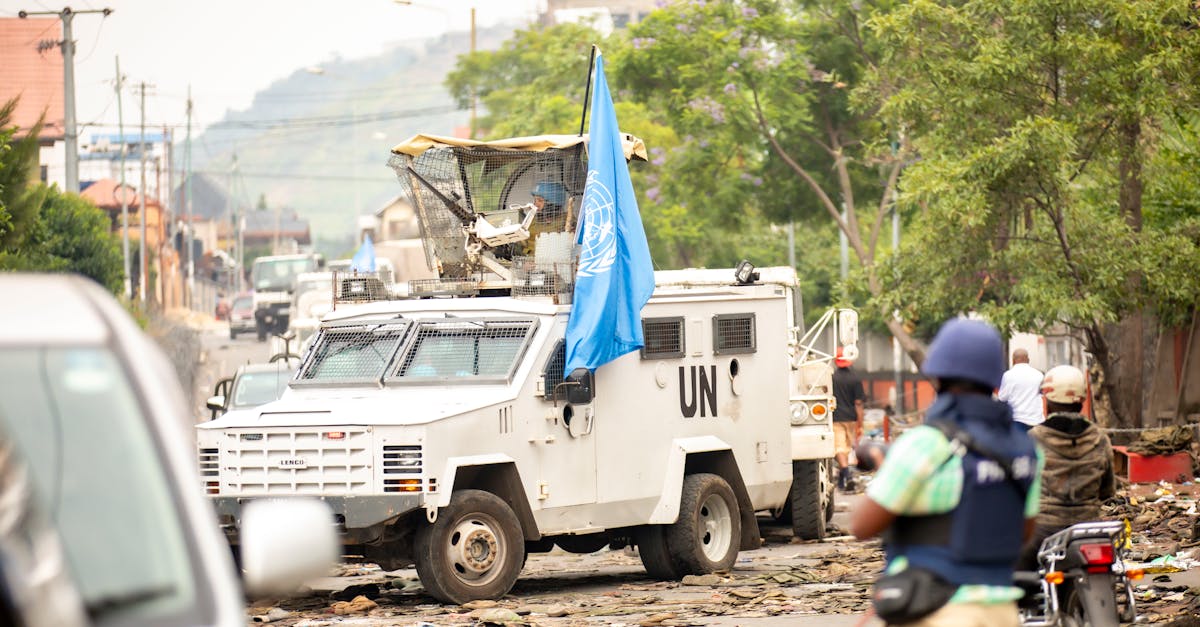
Peacekeeping operations serve as a critical mechanism for maintaining stability in conflict zones. They involve deploying military or civilian personnel, authorized by the UN Security Council, to areas plagued by violence. These missions focus on monitoring ceasefires, protecting civilians, and supporting the implementation of peace agreements. Notable examples include the United Nations Multidimensional Integrated Stabilization Mission in Mali (MINUSMA), established in 2013, which addresses insecurity in the region. These operations rely on robust partnerships with regional organizations to enhance effectiveness and ensure culturally sensitive approaches tailored to local needs.
Humanitarian Assistance
Humanitarian assistance protocols prioritize immediate aid delivery to populations affected by conflict and disaster. The UN coordinates efforts to provide food, water, medical care, and shelter in crisis situations. Agencies like the United Nations High Commissioner for Refugees (UNHCR) and the World Food Programme (WFP) play vital roles in these operations. They focus on needs assessments before delivering targeted support. For instance, the response to the Syrian refugee crisis exemplifies how the UN mobilizes resources and partners to assist millions of displaced individuals. Engaging with local organizations enhances the effectiveness of these efforts, ensuring that aid aligns with community dynamics and needs.
Challenges in Implementing UN Intervention Protocols
Implementing UN intervention protocols presents numerous challenges, significantly impacting their effectiveness.
Political Obstacles
Political obstacles often hinder the deployment of UN intervention protocols. National sovereignty concerns lead some states to reject intervention. Disagreements among member states regarding the legitimacy of actions can stall decision-making processes. Strong geopolitical interests frequently complicate consensus on interventions. For example, during the Syrian conflict, divergent perspectives among Security Council members delayed critical actions. In politically sensitive situations, balancing intervention with diplomatic relations becomes challenging. Fragmented regional support can weaken the impact of interventions, leaving populations in distress without adequate protection. Recognizing and navigating these political dynamics is essential for successful protocol implementation.
Resource Limitations
Resource limitations significantly affect the ability to execute UN intervention protocols. Funding constraints often restrict operational capacity, leading to inadequate support for missions. Personnel shortages hinder timely deployment, exacerbating crises when rapid responses are crucial. For instance, various peacekeeping missions have faced staff shortages that compromised their effectiveness. Additionally, logistical challenges in conflict zones can impede humanitarian assistance efforts. Coordination issues among multiple agencies may lead to overlap in services, wasting precious resources. Addressing these limitations through strategic resource allocation is vital for enhancing the impact of UN interventions.
Case Studies of Successful and Failed Interventions
Successful interventions often demonstrate the effectiveness of UN protocols. One notable case is the United Nations Mission in Liberia (UNMIL), which stabilized the country post-civil war. The mission fostered peace and democracy through disarmament, reintegration of combatants, and support for the democratic process. By collaborating with local governance structures, UNMIL achieved significant reductions in violence.
In contrast, the humanitarian intervention in Libya in 2011 highlights potential pitfalls. Initially aimed at protecting civilians during the civil unrest, the operation faced criticism for failure to establish a stable political framework afterward. The lack of post-intervention support led to chaos that persists, raising questions about the long-term efficacy of intervention strategies.
Similar instances occurred in the Democratic Republic of the Congo (DRC). The United Nations Organization Stabilization Mission in the Democratic Republic of the Congo (MONUSCO) faced extensive challenges from ongoing violence and complex political relationships. While it did succeed in reducing armed group activity in specific areas, sustained violence and humanitarian crises demonstrate that simply deploying troops does not ensure lasting peace.
Additionally, the intervention in Rwanda during the 1994 genocide serves as a glaring example of what occurs without timely action. The international community’s failure to intervene led to approximately 800,000 deaths, emphasizing the critical need for swift responses to emerging crises.
Analyzing these case studies illustrates the importance of strategic planning. Successful interventions often incorporate local stakeholder engagement and post-conflict support. Failing to consider these factors can result in unintended consequences, disrupting progress and complicating future efforts.
The effectiveness of UN intervention protocols hinges on a careful balance of strategic planning and local engagement. By adhering to the principles of the Responsibility to Protect and focusing on collaboration with regional partners, the UN can enhance its capacity to respond to crises. Learning from past successes and failures is crucial for refining these protocols and ensuring timely action in the face of humanitarian emergencies. As global challenges evolve, so too must the strategies employed by the international community to safeguard human rights and restore stability. Ultimately, the commitment to proactive and ethical interventions will determine the future impact of the United Nations in conflict resolution.


